Trade & sourcing
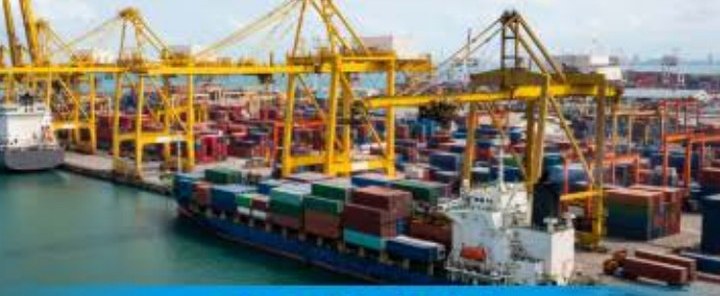
We consolidate nine species from roughly thirty fishing grounds and vessels at Busan and move them into East Asia on the same clock as the fish. From the sea to the tank and from the tank to the runway, we handle it ourselves.
Species
Our supply follows the season and the ground rather than the auction floor. Tell us the size grade and the destination and we will answer with what is actually possible this month.


Packing
A fish and a crab do not survive the same journey. We let physiology and flight time decide the packing mode rather than what is convenient on the day, and we keep the decision on record.
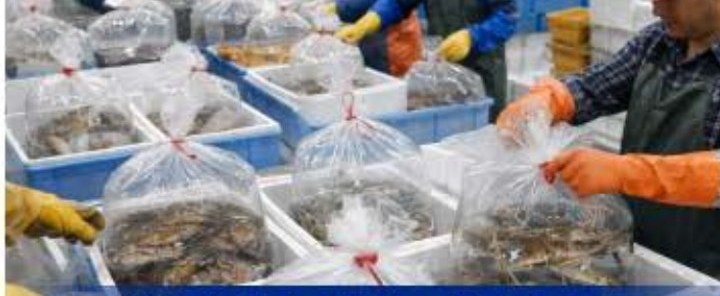
Water temperature is stepped down until metabolism slows, then the animal travels out of water in a damp, oxygen-rich pack. No water means far less freight weight and no sloshing, which is why long-haul flounder, abalone and crab go this way.
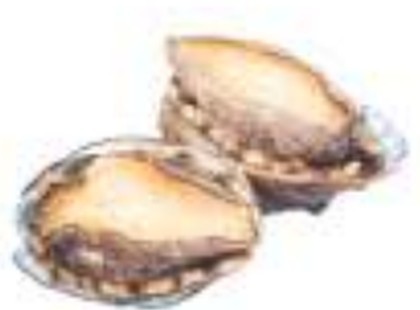
Used for — flounder, abalone, king crab, snow crab
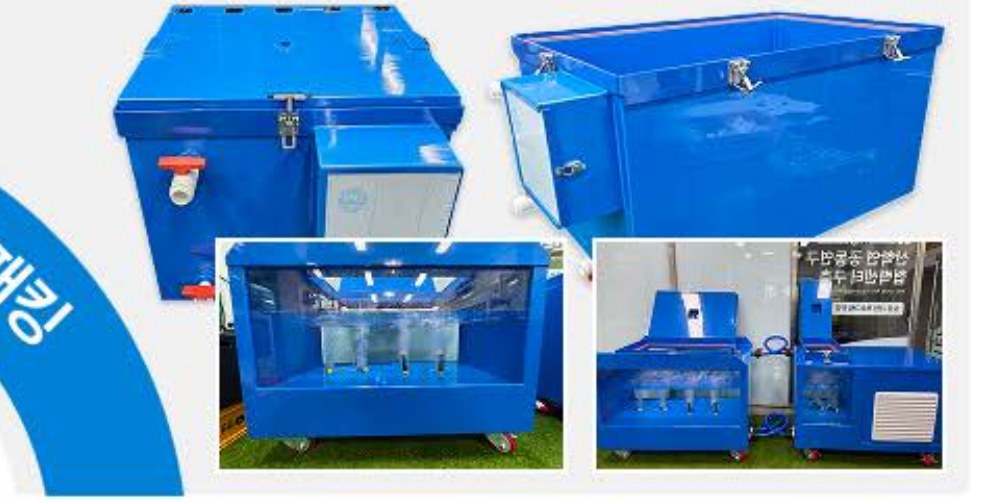
A measured volume of conditioned seawater in a sealed liner, oxygen-charged and packed inside an insulated outer. Species that cannot tolerate dry transport travel this way, at the cost of weight.
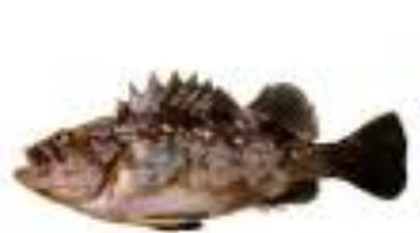
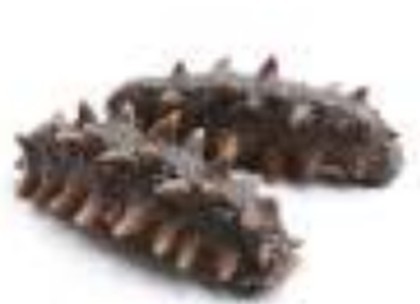
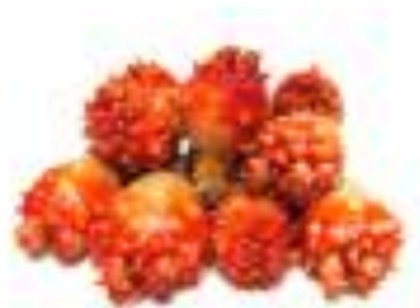
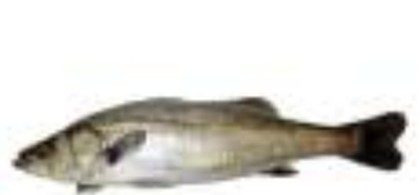
Used for — rockfish, sea bass, sea cucumber, sea squirt
Shellfish that close and hold their own water need humidity and a stable low temperature rather than immersion. Handled in the same standardised outer so freight planning does not change.
Used for — oyster
Whichever mode is used, the outer is the same standardised EPS container with an intermediate tray. That is deliberate: freight can only be optimised, and damage only attributed, once the unit stops changing shape.

What we control
We watch these continuously in our tank hall and log them, so that when a claim arrives the answer is a record rather than a recollection.
Before it flies
Destinations
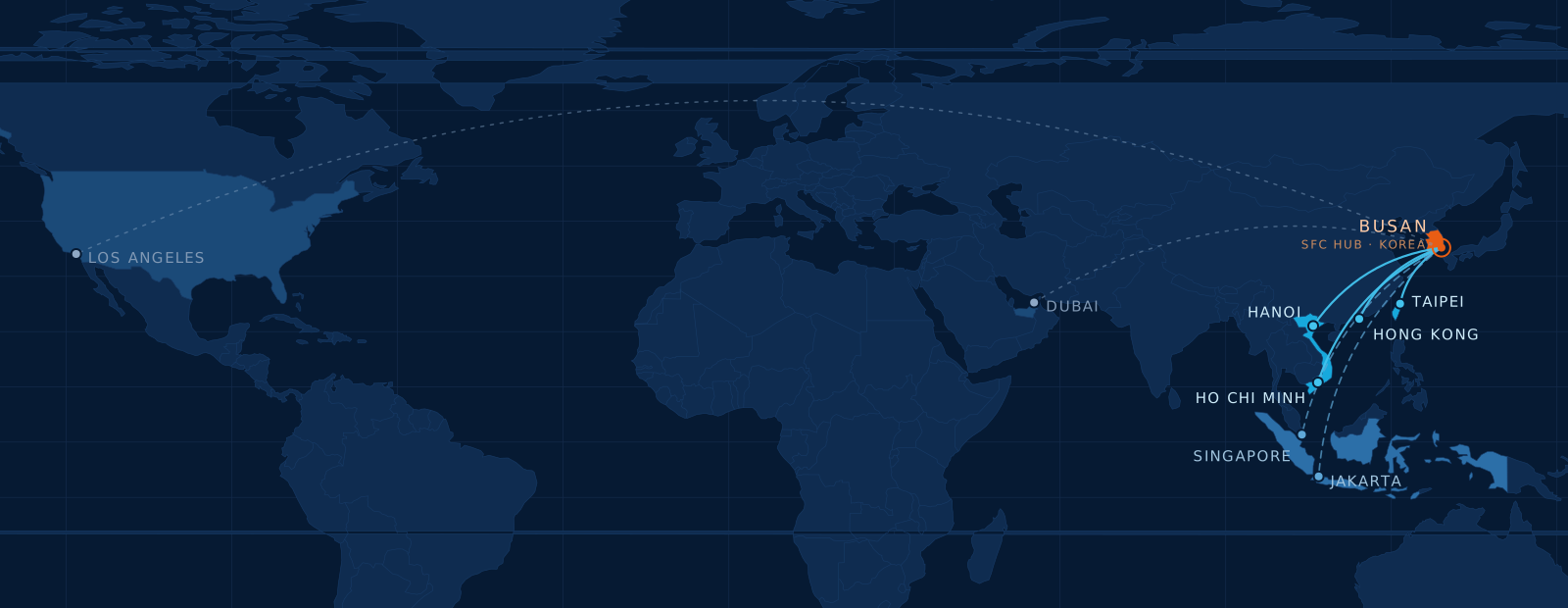
Solid lines are lanes we run today. We do not open a market until we can run it to the same standard as Busan, because opening a lane means moving that same operating manual into a local hub unchanged.
Sourcing
The relationships we hold directly with grounds and vessels are what make our volume and price predictable. We wanted to promise only what we could keep, and that had to come first.

Korean seafood exports hit USD 3.33B in 2025, a record. Flounder up 9.0%, crab meat up 7.5%.

Russian and Japanese catch already transits Korea for bond, inspection and water.

Large channels now ask for many species in small lots — exactly what single-species operators cannot do.
We will come back with what is possible, and what it costs.